
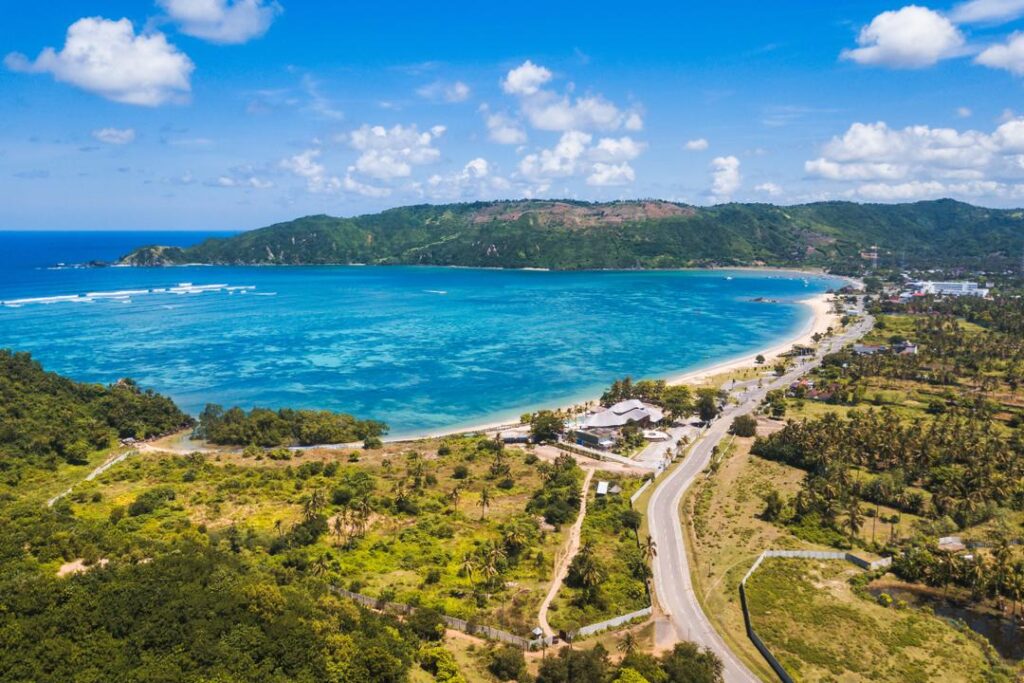
Indonesia is rolling out the red carpet for foreign capital with a mix of tax holidays, simplified licensing, and a digital-first strategy. Tourism investment in Indonesia is one of the most compelling tourism stories for 2026 and beyond.
Indonesia is no longer just counting tourists; it’s counting on quality. As the nation eyes an ambitious 8% economic growth target by 2029, the government has officially pivoted from “mass tourism” to a high-value, “quality” model designed to turn the archipelago into a primary pillar of sustainable development.
Supported by a projected investment requirement of IDR 13,032 trillion across priority sectors, Indonesia is rolling out the red carpet for foreign capital with a mix of tax holidays, simplified licensing, and a digital-first strategy.
Welcoming Investors
The investment climate in Indonesia is heating up. In 2024, the nation successfully attracted US 60 billion in total Foreign Direct Investment (FDI), far exceeding its historical averages. This capital influx is fueling a tourism sector that already contributes nearly 4% to the national GDP, with forecasts suggesting it will climb to 5.3% by 2034.
For 2026, the government isn’t just looking for visitors—it’s looking for “quality” spenders. With a target of 16 to 17.6 million international arrivals, officials expect to generate up to US 24.7 billion in foreign exchange. The strategy focuses on 15 priority markets, including Australia, China, India, and the UK, with a goal of increasing the average spending per arrival to over US 1,400.
The “New Bali” Blueprint for Tourism Investment in Indonesia
To prevent over-tourism in Bali, the “New Bali” strategy has evolved into a focused push for five Super Priority Destinations (DSP). It creates a new chance for tourism investment inIndonesia. These areas are designed as plug-and-play hubs for international investors:
- Mandalika (Lombok): The new home of Indonesian sports tourism. Anchored by a 4.31 km international race circuit that hosts MotoGP, this zone is hungry for luxury accommodation. Currently, luxury rooms make up only 25% of the island’s supply, creating a high-yield gap for hotel developers.
- Labuan Bajo (Flores): The gateway to the Komodo dragons is being repositioned for high-net-worth marine adventure. Infrastructure needs are massive, with a projected requirement for 12,000 hotel rooms by 2030.
- Borobudur (Central Java): A cultural and spiritual magnet. The “Borobudur Highland” project offers 50 hectares for eco-resort development at altitudes of 1,000 meters, complete with mountain views and “culture-adventure” themes.
- Likupang (North Sulawesi): The ultimate eco-frontier. This zone focuses on an “international resort conservatory” concept, targeting 30% of the world’s marine biodiversity and requiring a “zero-waste” lifestyle for all developers .
- Lake Toba (North Sumatra): The world’s largest volcanic lake is receiving integrated support for “geotourism,” blending luxury waterfronts with traditional Batak culture .
Cutting the Red Tape: A 75% Entry Discount
Perhaps the biggest news for small and medium-sized foreign firms is the recent slash in capital requirements. Toward the end of 2025, the government reduced the minimum paid-up capital for foreign-owned companies (PT PMA) by 75%—from IDR 10 billion down to IDR 2.5 billion (approx. US 156,000). While the total investment plan must still exceed IDR 10 billion, this move significantly lowers the upfront barrier to entry.
New Residency “Golden Tickets”
Indonesia is also aggressive in recruiting global talent through modernized visa pathways:
- Remote Worker Visa (E33G): Allows professionals working for overseas firms to live in Indonesia for up to two years, provided they earn at least US 60,000 annually.
- Golden Visa: Offers five- to ten-year stays for significant investors and corporate executives, with even lower thresholds for those moving to the new capital, Nusantara (IKN).
Digital Frontier: Tourism 5.0
Indonesia is embracing the AI revolution to streamline the traveler’s journey. Late in 2025, the Ministry of Tourism launched Tourism 5.0, featuring “MaiA”—an AI travel assistant that personalizes itineraries and helps visitors navigate the country’s 17,000 islands. For investors, this opens doors in digital infrastructure, biometric airport systems, and fintech solutions for the nation’s 1.18 billion projected domestic trips.
The Quality Tourism Fund
To ensure these projects don’t rely solely on shifting annual budgets, the government established the Indonesia Quality Tourism Fund (IQTF). With an initial IDR 2 trillion (US 128 million), this endowment fund is modeled after Singapore’s successful tourism funds to support high-quality events, nation branding, and infrastructure maintenance.
The Bottom Line
Indonesia’s “Go Beyond Ordinary” campaign is more than a slogan; it is a structural mandate to diversify the economy. While challenges like land security and infrastructure gaps in remote areas remain, the combination of a liberalized investment list, a 75% reduction in initial capital hurdles, and a clear “New Bali” roadmap makes the archipelago one of the most compelling tourism stories for 2026 and beyond.